August 20, 2026
Shingle roofs have remained a familiar sight on American homes for generations. From suburban houses to rural properties, asphalt shingles continue to be one of the most common roofing choices because they offer a practical combination of affordability, appearance, durability and installation flexibility. For homeowners planning a new roof or replacing an aging one, a residential roofing service can help determine whether shingles are appropriate for the home's design, climate and budget.
Although newer roofing materials have expanded the choices available to homeowners, shingles continue to hold a strong position in the residential market. Their broad availability, relatively straightforward installation and range of styles make them appealing to homeowners who want dependable protection without making roofing more expensive than necessary.
What Types of Shingle Materials Are Commonly Used?
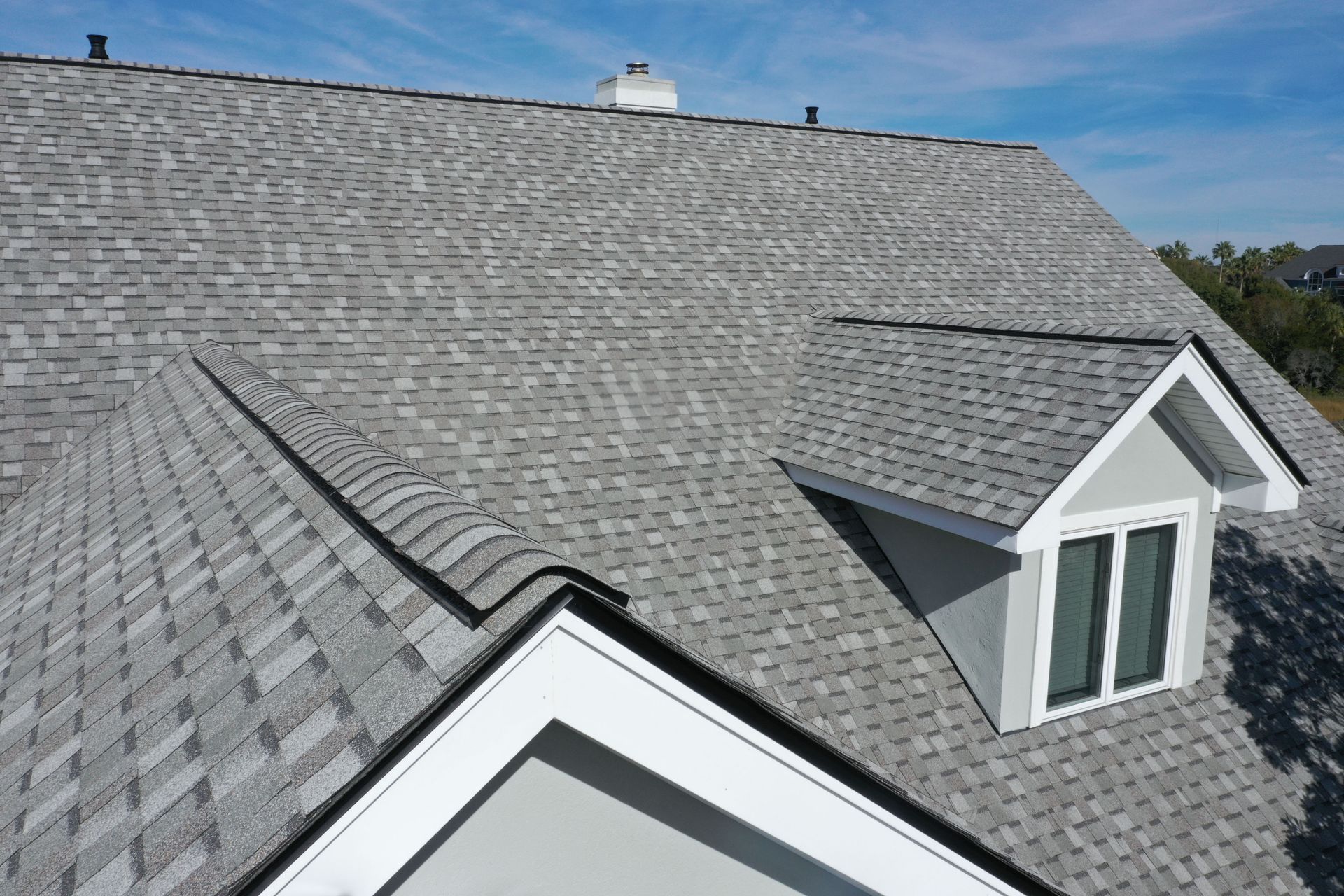
When homeowners hear the word "shingles," they often think of asphalt shingles. These remain the dominant choice for residential properties because manufacturers offer them in numerous colors, profiles and quality levels. Asphalt shingles generally consist of a fiberglass mat coated with asphalt and covered with mineral granules that provide color and help protect the material from sunlight and weather.
Three-tab shingles are one of the more traditional options. They have a relatively flat, uniform appearance and are generally less expensive than thicker architectural products. Architectural shingles, meanwhile, use multiple layers to create a more dimensional appearance. They can provide greater visual interest while offering improved durability compared with basic three-tab products.
Other shingle materials are available as well. Wood shingles and shakes provide a natural appearance that works particularly well with certain architectural styles. Composite shingles can be manufactured to resemble materials such as slate or wood while offering different performance characteristics. Metal shingles are another option for homeowners who want the appearance of traditional roofing with the durability associated with metal.
Because material choices can vary considerably, homeowners may benefit from discussing their options with a residential roofing service before making a final decision. The right product depends on factors such as roof pitch, local weather, appearance, expected lifespan and budget.
How Does Shingle Roof Installation Impact Cost?
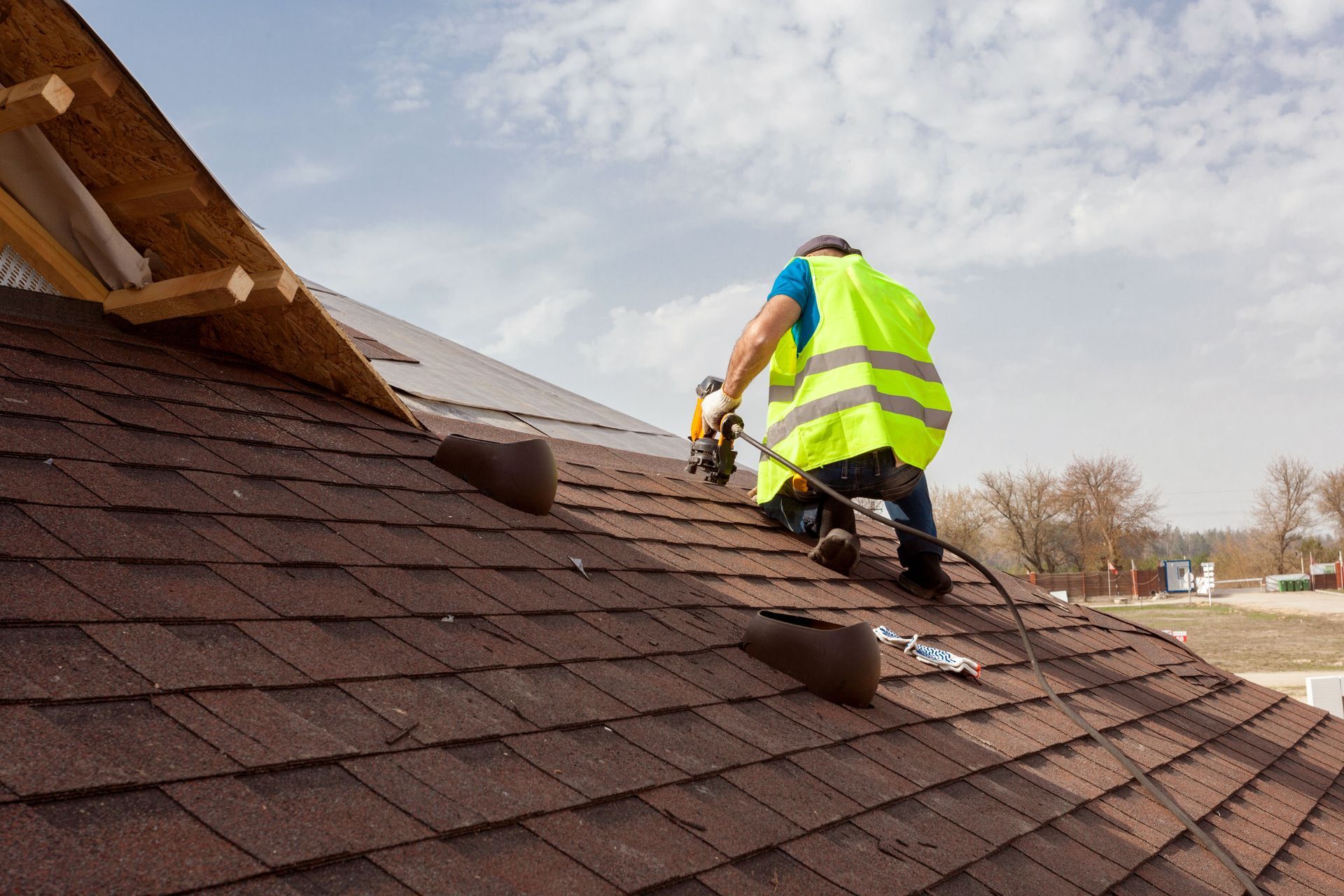
One of the biggest reasons shingles remain popular is their relatively manageable installation cost. Asphalt shingles are widely manufactured, readily available and familiar to roofing contractors throughout the country. This broad availability can make both materials and labor more accessible than those associated with some specialty roofing systems.
Installation costs still vary significantly depending on the home. Roof size, pitch, accessibility and existing roof condition can all influence the final price. Removing an existing roof, replacing damaged decking and addressing ventilation or flashing issues can add to the project as well.
Homeowners should also consider the long-term value rather than simply choosing the lowest initial price. Higher-quality architectural shingles may cost more upfront but can provide a more substantial appearance and greater resistance to certain forms of weather damage. A qualified residential roofing service can assess the existing roof and explain how different materials may affect both project costs and expected service life.
Shingles also tend to be easier to repair than some specialized roofing materials. If damage is limited to a small area, individual shingles can often be replaced without removing the entire roof. That repairability can be an important advantage for homeowners who want to manage maintenance expenses over time.
What Are the Durability and Lifespan Expectations for Shingle Roofs?
No roofing material lasts indefinitely, and the expected lifespan of shingles depends on their quality, installation, and exposure to the elements. According to Forbes, roofing shingles typically last about 30 years before replacement becomes necessary, although actual service life can vary depending on the material and conditions.
Architectural shingles can generally provide a longer service life than entry-level three-tab products. However, a product's advertised lifespan should not be treated as a guarantee. Severe weather, inadequate attic ventilation, poor installation and a lack of maintenance can all shorten a roof's useful life.
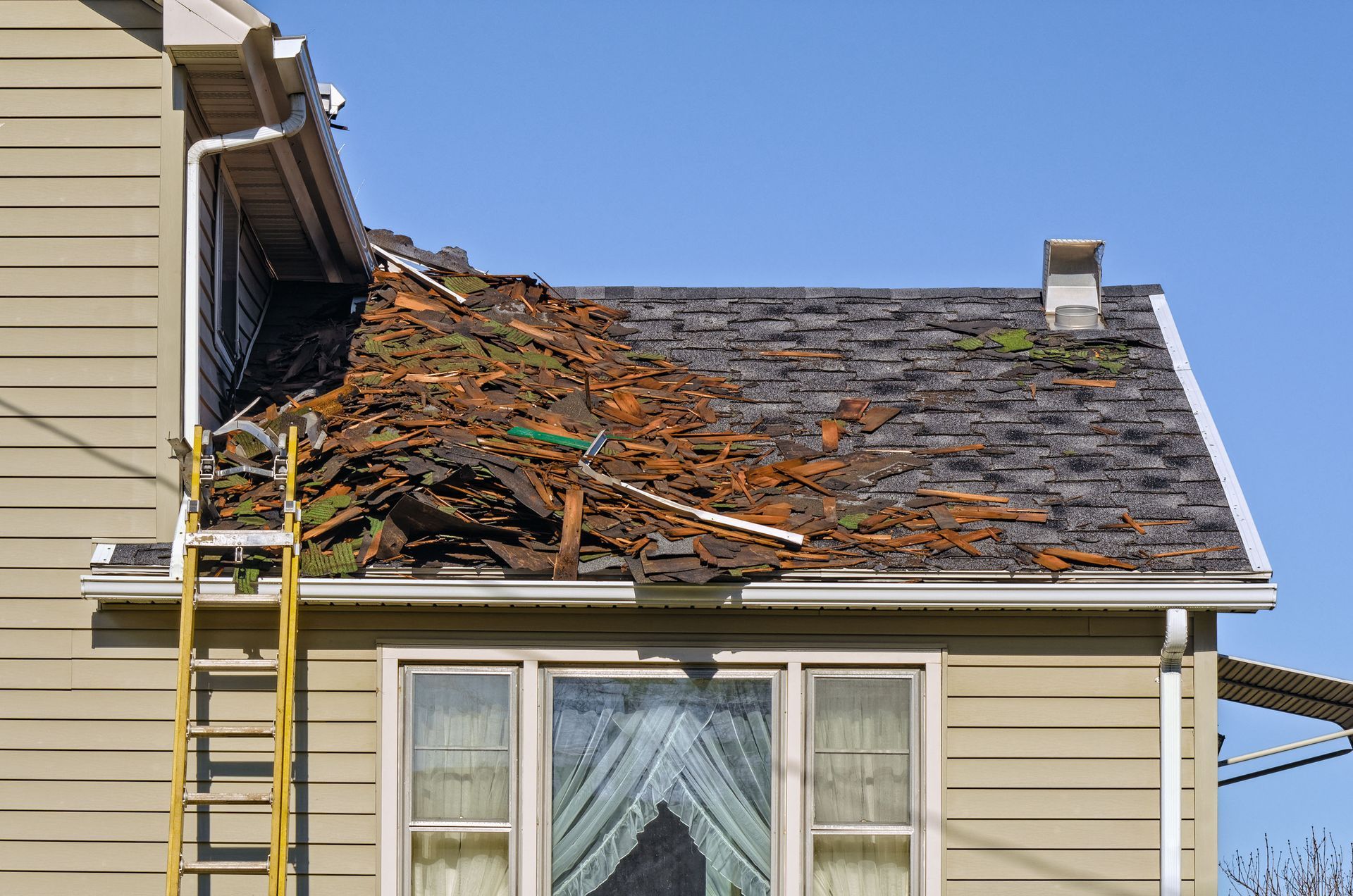
Homeowners should periodically look for warning signs such as curling or cracked shingles, missing granules, exposed roofing material and areas where shingles have become loose. Water stains inside the home or unexplained moisture in the attic can also indicate a roofing problem.
Regular inspections allow homeowners to address relatively small issues before they become more extensive.
How Do Shingle Roofs Perform in Various Weather Conditions?
Another reason shingles remain popular is their ability to perform in a wide range of American climates. Asphalt shingles are used in regions that experience hot summers, freezing winters, heavy rain, snow and seasonal storms. Forbes notes that asphalt shingles generally perform well across many climates, including areas that experience significant temperature changes, rain, ice and wind.
Modern shingles are manufactured with different performance characteristics, allowing homeowners to select products suited to their particular environment. Some products are designed with enhanced wind resistance, while others include features intended to resist algae growth or withstand impact.
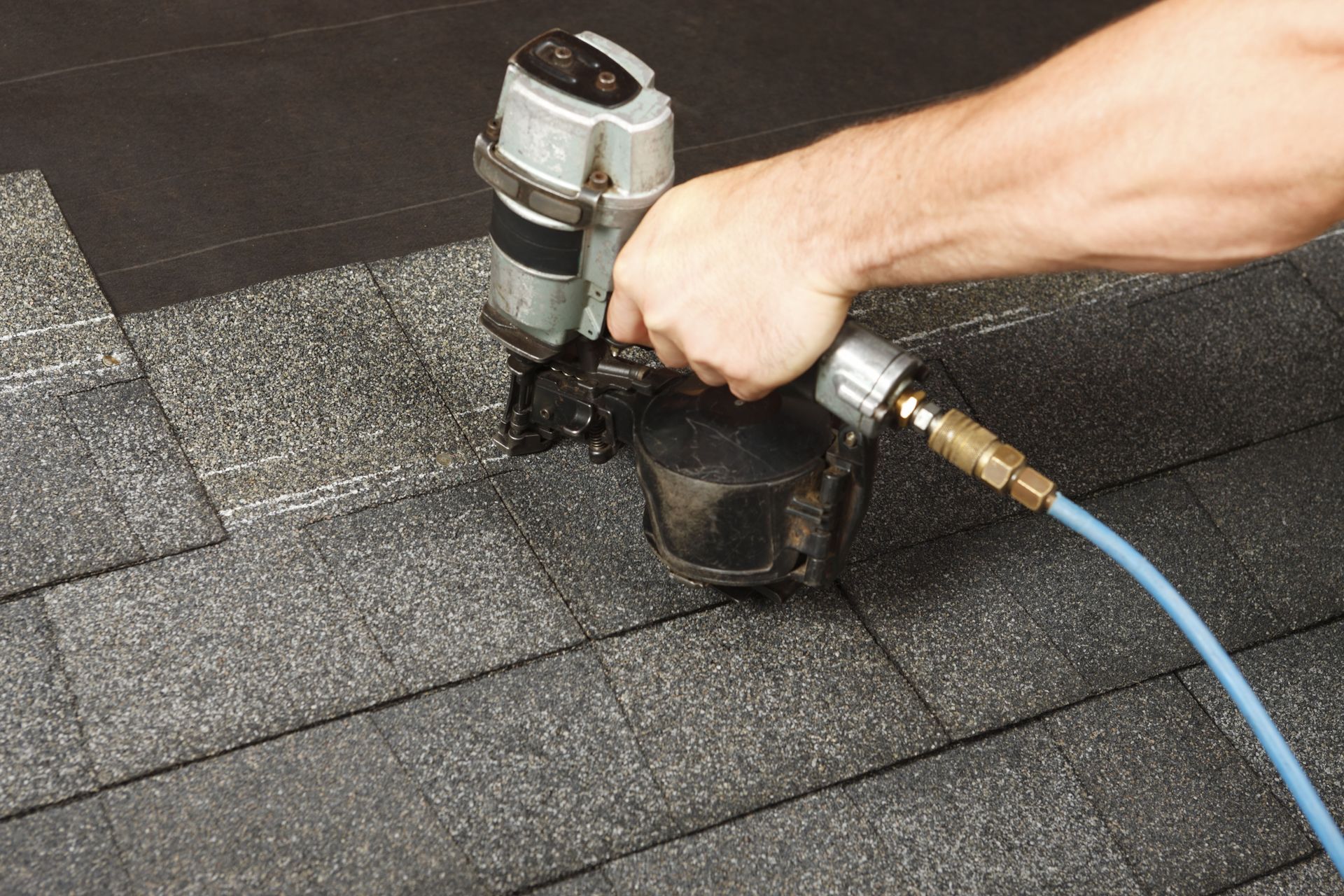
Installation quality is especially important when a roof will regularly encounter severe weather. Proper fastening, flashing, ventilation and underlayment all contribute to the roofing system's overall performance. Even high-quality shingles may perform poorly if they are installed incorrectly.
Climate should also influence expectations about longevity. Strong sunlight, repeated freeze-thaw cycles, high winds and persistent moisture can gradually deteriorate roofing materials. Having a residential roofing service inspect the roof after major storms can help identify damage that may not be obvious from the ground.
What Are the Environmental Impacts of Shingle Roofs?
Environmental considerations have become increasingly important for homeowners evaluating building materials. Asphalt shingles are petroleum-based products, so their production and disposal have environmental implications. However, the roofing industry has also developed recycling programs that can give removed shingles another useful purpose.
Recycled asphalt shingles can be processed and incorporated into certain paving applications. This provides an alternative to sending all discarded roofing materials to landfills. Forbes notes that asphalt shingles can be recycled for use in pavement, providing one way to reduce waste generated during roof replacement.
Homeowners can also consider the environmental impact of keeping a roof in service for as long as reasonably possible. Prompt repairs may prevent premature replacement, while proper ventilation and maintenance can help preserve the performance of the roofing system.
The environmental equation ultimately involves more than the material itself. Manufacturing, transportation, installation, maintenance and disposal all contribute to a roof's overall impact. A residential roofing service can discuss material choices and maintenance strategies that may help homeowners make decisions based on both performance and long-term considerations.
Why Do Shingles Continue To Make Sense For Homeowners?
The enduring popularity of shingles is not based on a single advantage. Instead, it comes from the way several practical qualities work together. Asphalt shingles are affordable compared with many premium roofing materials, available in numerous styles and relatively straightforward to install and repair.
They also complement a wide variety of home designs. A homeowner can select colors and profiles that create a traditional appearance or choose architectural shingles with a more substantial, textured look. This flexibility allows the roof to contribute to curb appeal without requiring the cost of a specialty material.
For many homeowners, the ability to balance appearance, performance and cost is ultimately what makes shingles such an attractive option. Working with a
residential roofing service can help determine which shingle type fits the property's needs while identifying potential concerns with ventilation, flashing, decking and drainage.
Although shingles have a finite lifespan and can be affected by weather, installation quality and maintenance, they remain capable of providing dependable protection for decades. A residential roofing service can help homeowners evaluate an existing roof, compare available materials and determine whether repair or replacement makes the most sense.
As residential roofing continues to evolve, shingles are likely to remain a fundamental part of the American housing market. Their combination of accessibility, appearance and proven performance explains why so many homeowners continue to choose them when it is time to install or replace a roof. If you need a roof, reach out to Roof Masters today!